Blog #3: How can a PLN support inclusion? In what ways can connecting with diverse voices and perspectives strengthen your approach to equity and inclusion?
Limitless Learning
A Universal Design for Learning was made to make learning accessible by removing barriers and catering to the specific needs of varied individuals. Flexibility is the main emphasis from a UDL, offering a way to make every learner feel supported no matter what their background is. Personal Learning Networks support that same end goal of inclusion. PLN’s are the people and connections that grant you different learning tools while UDL’s provide the framework and design. The UDL guidelines say it best: engagement, representation, action, and expression.
Get Yourself Out There
PLN’s support inclusion by broadening perspective; By meeting so many people of different cultural and linguistic backgrounds, one is bound to gain perspective and learn ways that vary from their own. No individual should be left out of the learning environment–hence the emphasis on inclusion. Shelley Moore made an incredible reference in a video titled: “Transforming Inclusive Education”, comparing inclusive education to bowling. The video can be found here: https://www.youtube.com/watch?v=RYtUlU8MjlY. Professional bowlers don’t just throw the ball down the middle, hope for the best, and leave one or two pins standing. They develop a technique of throwing the ball at an angle to create a domino effect and make sure every pin gets knocked. The pins are students, and we want every student to feel included.
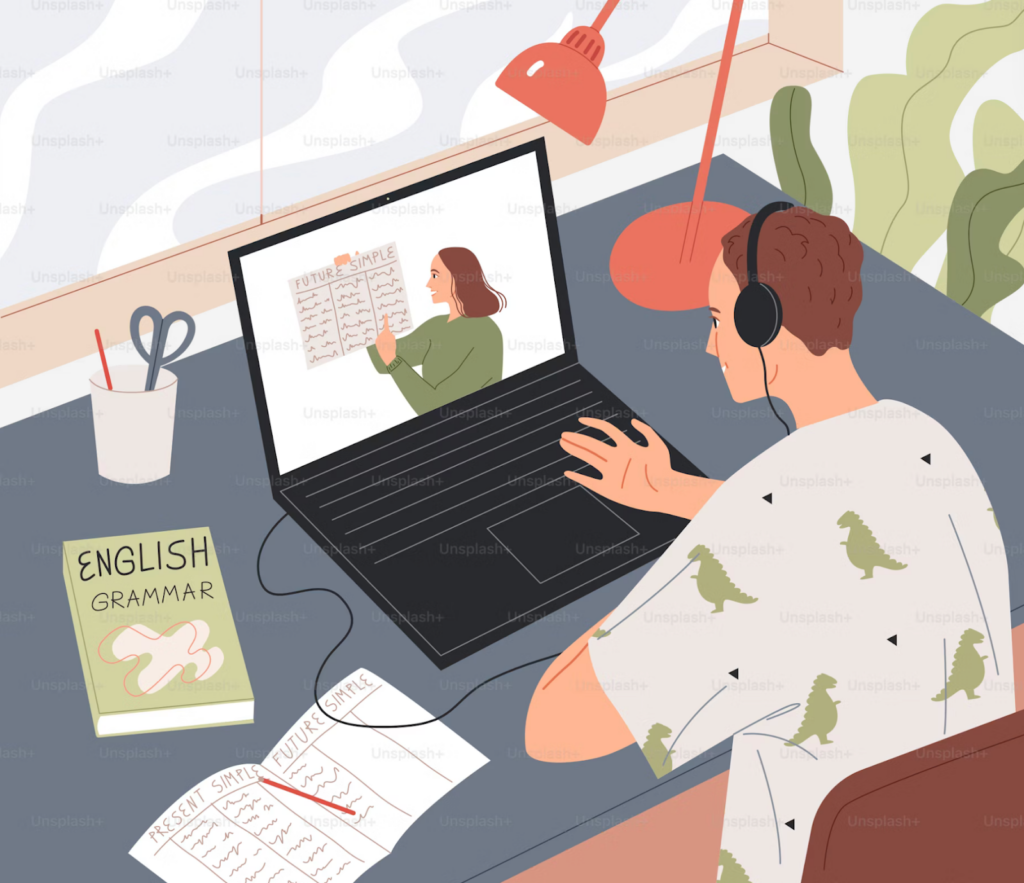
- Photo by Getty Images from UnSplash
Just having access to the internet is an inclusive start in itself. Meeting such diverse individuals and getting to interact with them challenges your own assumptions. The internet is a place for anyone and everyone, and will expose new strategies.
Removing the Barriers
Removing barriers means taking action and providing various sources that can apply to students with various backgrounds. By following the UDL guidelines, a PLN can support inclusion by offering multilingual sources and using assistive technology. Equity is not about the same path. It’s about allowing everyone to reach the same goals. Buket Akkoyunlu and Meryam Yilmaz Soylu’s use of Kolb’s Learning Style Inventory proved that blended learning is “highly appreciated”. The study showed how greatly each learning style benefitted every individual, such as face-to-face, content, online, etc. Some students need active engagement and hands-on help to succeed, and others need their own space on the internet. Offering these resources support inclusive learning that will pillar education. Connecting with the many diverse voices that are a part of the education system will provide perspective. There’s always an opportunity to learn from others. Technology and UDLs have allowed this to become more accessible and widespread amongst students.
Source for scholarly article: https://www.jstor.org/stable/jeductechsoci.11.1.183